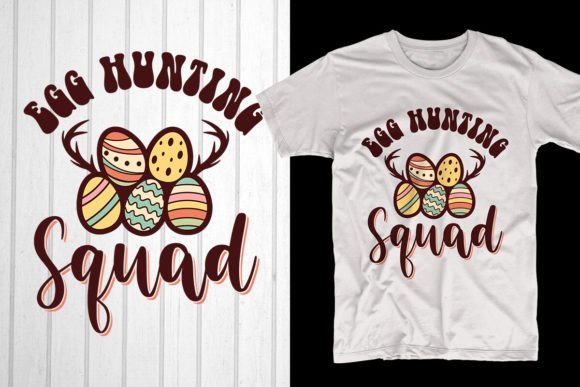
A Professional Designer's Take on Egg Hunting Squad
First Impressions: Where This Easter Design Belongs
When I opened the Egg Hunting Squad. Easter Sunday embroidery file, my immediate thought was that this is a crowd-pleaser. It’s got that classic, cheerful Easter theme, but presented with a sense of playful action. The layout feels balanced, and the detail level suggests it’s aiming for a clean, graphic look rather than hyper-realistic rendering. This visual personality—fun, slightly nostalgic, and uncomplicated—makes it a natural fit for so many holiday projects.
In my mind, I instantly pictured it on a child’s sweatshirt or a bright spring apron. It’s not overly childish, though; the style could easily translate to a trendy tote bag for a boutique. The mood it creates is lighthearted and festive, perfect for products meant to celebrate the season. As an embroidery designer looking at it for real use, I appreciate that it doesn’t try to do too much. It’s a focused, eye-catching graphic, which is exactly what you want for a smooth embroidery process and a clear final product.
Thinking Through Real Embroidery Projects
Let’s get practical. I’m considering a scenario: preparing a custom embroidered tote bag for a spring craft fair. Using Egg Hunting Squad. Easter Sunday on a natural canvas tote. How would it look after stitching? The bold outlines and defined shapes should translate well into satin and fill stitches, creating a crisp, readable design even from a distance. That’s key for merchandise at a busy fair.
Beyond tote bags, this design has a wide application range. For my client work, I’d confidently recommend it for baby clothes like a romper, where a cute, non-bulky embroidery is ideal. It would be charming on a pillow cover for nursery decor or a kitchen towel as a holiday gift. For small business merchandise—think Etsy listings for personalized Easter gifts—this design adds value. Its recognizable theme means customers instantly understand the product, which boosts buyer engagement. On a cap, the curved surface might require some attention to the design’s orientation, but the graphic nature should handle it well.
The real test of any embroidery file is how it performs across different fabrics. On a standard cotton tee for custom apparel, I expect clean results. On a thicker sweatshirt, the stitch density needs to be sufficient to prevent the fabric texture from overwhelming the design. This is where testing on scrap fabric becomes your best friend. A successful embroidery project here would enhance the product’s handmade presentation and feel professionally executed, building customer trust.
Careful Application: Where to Pay Attention
No design is universally perfect for every scenario, and a realistic review means noting where caution is needed. With Egg Hunting Squad. Easter Sunday, I’d be mindful on very small hoop sizes. If you’re trying to miniaturize it for a tiny patch or on a baby item sleeve, some of the finer details might need simplification or could become too dense. Always confirm the intended hoop size works for your specific project.
Stretchy or thin fabrics, like certain t-shirt materials, demand proper stabilizer to keep this graphic looking sharp after wear and washing. Dark fabric backgrounds require a thoughtful choice of thread colors to maintain contrast and visual clarity. I’d advise testing it in a black and white mockup first to gauge that contrast. Also, for products destined for frequent washing, like aprons or tea towels, ensuring the stitch structure is robust is crucial—areas with dense stitching might need adjustment to prevent stiffness or wear.
For curved surfaces like caps, inspect how the design’s elements, especially any lettering if present in “Easter Sunday,” will sit on the seam. Sometimes, a graphic layout needs a slight tweak for optimal placement. As a craft business owner, these considerations directly affect the longevity and quality of your finished product.
Notes for the Working Designer & Maker
Before you run this machine embroidery design for a client order or your own shop, here are my practical notes. First, always stitch it out on a scrap of your target fabric. This reveals everything: thread color interaction, actual stitch density, and how small details like decorative accents come through. Compare it on light and dark backgrounds if you plan to offer both.
Second, consider its use case. Is this for a one-off personalized gift, or are you planning to sell the embroidered item as part of your small shop product line? Check the licensing terms for the digital embroidery file. The product description mentions POD, but confirm clearly whether it’s suitable for commercial embroidery projects and digital product previews like printable mockups. Never assume.
Finally, think about your brand consistency. If your handmade product line is about modern, minimalist gifts, this festive design might be a seasonal standout. If it’s about intricate, detailed work, this graphic’s style might be a refreshing simplicity. Its giftability and holiday recognition are high, which can be a great boost for spring sales. Approach it not just as a file, but as a design asset that will become a physical part of your craft business.
The Final Stitch: Value in the Making
Evaluating Egg Hunting Squad. Easter Sunday from the perspective of actual embroidery work, I see a solid, versatile holiday graphic. It’s not overly complex, which reduces production headaches, and its theme is instantly appealing, which helps in marketing. For the embroidery designer, Etsy seller, or apparel decorator, it represents a low-risk, high-reward addition to your spring toolkit.
Its success will depend on your application skills—choosing the right fabric, using proper techniques, and pairing it with products that match its cheerful vibe. On a well-made sweatshirt, tote, or baby blanket, this design will stitch out into a clean, festive emblem that customers will connect with. That’s the core of a good embroidery project: a file that translates reliably from screen to stitch, enhancing the finished product without complicating the process. This one, for all its playful egg-hunting action, seems to do just that.