A Professional Review of the Dog Dad Father’s Day SVG
When a new design lands in my library, I don’t just look at it on the screen. I immediately start picturing it stitched onto fabric, worn by a customer, or displayed as a gift. So when I sat down to evaluate the Dog Dad Father’s Day SVG, my first question was: what would this actually feel like as a real, embroidered product?
The Immediate Appeal: Humor with Heart
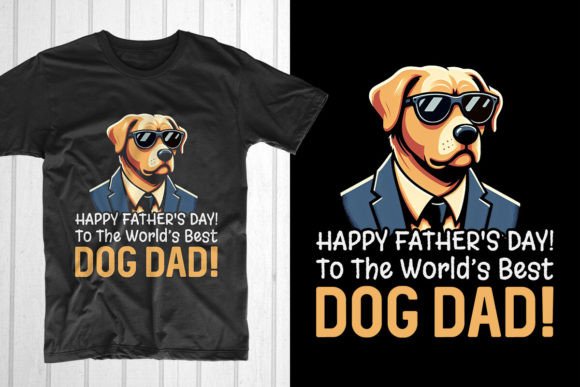
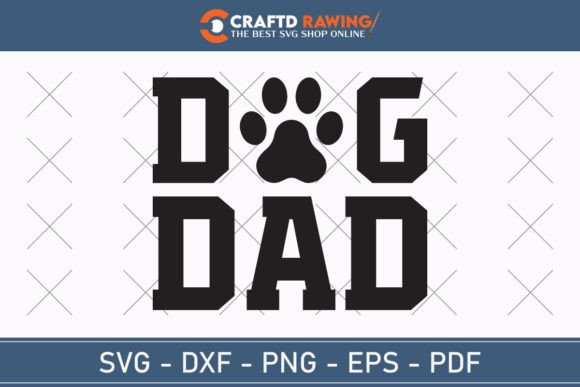
The design’s concept is clear and winsome. It taps into that specific, affectionate humor that resonates with so many dog-loving fathers. This isn’t just a generic “Dad” graphic; it has personality. For an embroidery designer, that’s gold. It tells me this design isn’t meant for a bland, mass-produced item. It belongs on something personal—a gift, a custom piece of apparel, or a boutique product meant to evoke a smile and a connection.
The layout and shape suggest it will translate well into stitches. The likely elements—the text and the canine motif—seem to have a balance that won’t create overly dense or sparse areas when digitized for embroidery. This is crucial for visual clarity and stitch integrity.
Where This Design Finds Its Perfect Home
In my mind, I ran through a dozen potential embroidery projects. I pictured it on a soft, cotton-blend sweatshirt, a Father’s Day gift worn proudly. I imagined it as a crisp, detailed embroidered patch on a denim jacket. I saw it stitched onto the corner of a sturdy canvas tote bag, a practical yet personal accessory for a dad on the go. The design’s theme leans towards casual, affectionate, and everyday celebration, making it ideal for custom apparel and personal accessories.
One real-life scenario I often consider is preparing a custom embroidered gift for a client. Say a customer wants a unique baby item—like a blanket for a new grandfather who’s a known dog enthusiast. This design could be beautifully stitched alongside a baby’s name, creating a layered, heartfelt gift. Or, for a small shop owner creating holiday gift bundles, this SVG could be the centerpiece on a set of kitchen towels or an apron, turning a simple functional item into a standout present.
Considering Commercial Use and Customer Reaction
For Etsy sellers and creative entrepreneurs, the visual appeal here directly impacts buyer engagement. A well-stitched version of this on a product mockup communicates warmth and humor. It suggests the seller understands their audience—dog lovers, proud dads, families looking for something with character. This builds customer trust because the product feels thoughtfully chosen, not random. In a craft business, consistency in choosing designs with this kind of clear personality strengthens your brand consistency. You become known for gifts that have a genuine, relatable vibe.
Practical Pitfalls and Stitching Considerations
Now, the realistic part. Not every design fits every context. Based on the description as a T-Shirt Design and Graphics file intended for cutting software, we must approach it for machine embroidery with some caution.
First, small details are always a test. If the design contains fine lettering or intricate linework in the dog illustration, these areas could become muddy on certain fabrics. Stitch clarity is paramount. I would never run this on a small hoop size on a textured fabric like a sweater knit without first testing it on scrap material. The potential for puckering or lost detail is too high.
Dark fabric presents another classic challenge. A design like this, which likely relies on positive, lighter-colored imagery, needs excellent thread color contrast to pop on a dark background. Planning your thread palette becomes even more critical.
For products like caps with curved surfaces, or items made from thin or stretchy fabric like some t-shirts, the stitch density and overall size of the embroidered area need careful management. Too dense, and the fabric stiffens; too large, and it distorts. This design’s success on a cap would depend entirely on its final digitized size and stitch structure.
The Embroidery Designer’s Checklist
Before I’d ever commit this to a client’s project or my own small shop merchandise, here’s my practical list:
- Test, test, test. Run a sample on the exact fabric texture and color you plan to use, using the proper stabilizer. Look for any jumps, thread breaks, or areas where fill stitch or satin stitch might be too tight.
- Check the design in both black and white digital mockups to assess its form stripped of color. Does the silhouette hold up?
- Compare how it would look on both light and dark fabric backgrounds. You might need two slightly different thread color schemes for optimal results.
- If you’re creating an embroidered patch, consider how the edges and any decorative accents will translate into a standalone item.
- For products destined for frequent washing, like baby clothes or tea towels, ensure the stitch density and thread choice will withstand wear.
- Most importantly, confirm licensing before selling finished items. The product description notes compatibility with various software, but the terms for commercial use of the finished embroidery project need to be crystal clear.
The Final Verdict: A Design with Purpose
The Dog Dad Father’s Day SVG strikes me as a design with a specific, joyful purpose. It’s not a filler graphic. For the embroidery designer or apparel decorator, it offers a clear path to creating products that feel personal and engaging. Its value lies in its relatable theme, which enhances the giftability and handmade presentation of any item it adorns.
Success, however, hinges entirely on treating it as a professional embroidery file. By respecting the mechanics of stitching—testing thoroughly, planning for fabric challenges, and ensuring clean digitization from the source SVG—you can transform this digital design asset into a beautiful, durable, and genuinely appreciated finished product. It’s a design that, when executed well, tells a story. And in the world of custom embroidery, that’s exactly what we’re here to do.