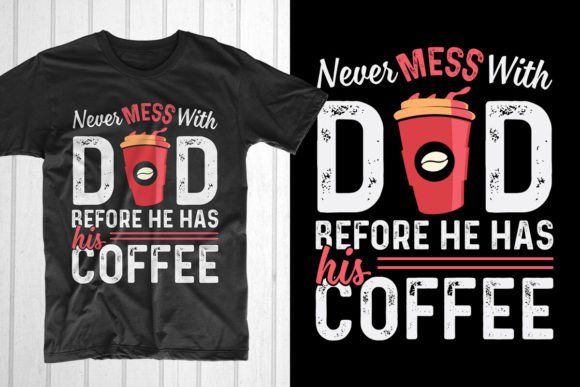
Never Mess with Dad Before His Coffee: A Designer's Review
Let’s get straight to it: when a design file titled Never Mess with Dad Before His Coffee landed in my project folder, I immediately pictured it on a heavyweight cotton sweatshirt. It’s a classic humor piece, but the real test is how it translates from a digital graphic into actual stitches on fabric. This isn't about whether it's trendy; it's about whether it will stitch cleanly, look great in a finished product, and resonate with the person receiving it.
The First Impression: Humor with a Stable Foundation
The theme is clear and universally understood, which is a huge advantage for any craft business targeting gift-givers. The mood is playful and relatable, not aggressive or overly sarcastic. From a design standpoint, the layout feels balanced. The wording is the hero here, so the visual personality depends entirely on how the lettering is rendered in the embroidery file. Assuming a clean, bold script, this design creates its impact through statement, not through intricate pictorial detail. That simplicity is a gift for embroidery.
It naturally belongs to projects where comfort and casual humor combine. Think a dad’s weekend sweatshirt, a cozy robe, a kitchen apron for the grill master, or the center panel of a tote bag for his gear. It’s less about delicate decoration and more about making a bold, affectionate statement.
Where This Design Performs Brilliantly in Real Projects
In real-life embroidery, a text-focused design like this can be a superstar if the file is well-digitized. On custom apparel like t-shirts, sweatshirts, and hoodies, it offers high visibility without overwhelming the garment. For a handmade shop owner, it's a quick-turn, high-appeal item for Father’s Day, birthdays, or just because.
I’d prioritize it for stable, medium-weight fabrics. A cotton tote bag is a perfect canvas—the stitches will sit flat and clean. On a structured apron or a pillow cover for a dad’s reading nook, it becomes a personalized home decor item. As a small shop product, it’s easily adaptable: the same embroidery file could produce a finished patch for a hat or a jacket, adding versatility to your craft business offerings.
For baby clothes or nursery decor, it’s a fun twist on a “Dad and Me” theme, perhaps on a little onesie paired with a matching dad’s shirt—a great set for Etsy listings. Its straightforward nature also makes it a strong candidate for commercial embroidery on promo items or uniforms for a family-friendly business, provided the licensing permits.
Careful Application: The Devil is in the Details
This is where practical judgment comes in. The potential pitfalls aren’t in the theme, but in the execution. If the embroidery file has tiny, intricate lettering or overly dense fill stitches, trouble awaits. Small hoop sizes might struggle with clarity. On textured fabrics like some knits, or on stretchy fabric without proper stabilizer, the text could distort.
Dark fabric requires excellent thread color contrast; a white or bright cream satin stitch would pop, but a poorly chosen mid-tone could look muddy. Applying it on curved surfaces like caps requires a digitized file that accounts for that curvature. Also, consider the product’s life: a design on a kitchen towel or an apron needs to withstand frequent washing, so stitch density and stabilizer choice are critical to prevent premature wear.
A Real Scenario: The Custom Embroidered Sweatshirt Gift
Imagine you’re preparing a custom embroidered sweatshirt as a holiday gift. You’ve chosen a premium, heather-gray fabric. Hooping is clean, you’ve used a sturdy cutaway stabilizer, and you’re running a test on scrap first. The Never Mess with Dad Before His Coffee design stitches out. The bold letters look crisp, the humor is instantly readable. The value isn’t just in the sweatshirt; it’s in the personalized, handmade presentation. That builds customer trust and makes the product feel gift-ready and professional. It engages the buyer because it’s specific, not generic.
Impact on Your Business and Craft
Using a design like this effectively affects more than just the single item. For a creative entrepreneur, it supports brand consistency if your shop specializes in humorous, family-focused gifts. Its recognizability means it can become a staple in your lineup, a reliable seller at craft fairs or in your Etsy shop. It enhances the giftability of your products, turning a simple apparel item into a story.
The stitching clarity is paramount. If the embroidery file produces sharp, well-defined stitches, the final product looks professional, which directly supports buyer engagement and repeat business. A blurry, poorly stitched version of a great saying, however, undermines everything.
Practical Notes for the Embroidery Designer
Before you commit this to a client project or your small shop merchandise, treat it like any new embroidery design. Test it on scrap fabric that matches your final product material. Check thread color contrast by previewing it in black and white mockups; does it hold its form without color? Review the stitch density in your software—are there areas that might pucker or be too stiff?
Confirm the hoop size needed. Inspect the small details in the lettering: are any corners too tight for a clean satin stitch? Always use the proper stabilizer for your chosen fabric. Crucially, check whether the design’s license permits commercial use for finished products or digital product resale if that’s your intent. Never assume.
For apparel decorators, consider how it pairs with other elements. Could it be part of a larger gift set? Its strength is as a standalone statement, so let it breathe on the garment. On a baby item or a delicate pillow cover, scale it appropriately so it remains friendly and clear.
The Final Stitch
Never Mess with Dad Before His Coffee as a graphic concept has strong commercial and craft appeal. Its success in your hands, however, depends on the quality of the specific embroidery file you’re using and your thoughtful application. It’s a design that asks for confidence in your setup—good fabric, correct stabilizer, tested thread colors—and when given that, it delivers a finished product with clear personality and value. It’s a reminder that in our world of machine embroidery designs, the simplest ideas often stitch out the best, provided we respect the craft of turning a digital asset into a tangible, loved object.