A Designer's Review of Mamasaurus for Embroidery Projects
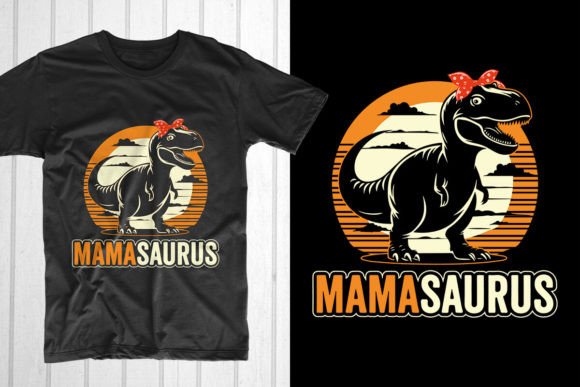
First things first: the Mamasaurus design immediately feels like a winner for that special, whimsical, yet stylish gift. As a designer who stitches for clients, I don’t judge graphics by their digital preview alone—I imagine them translated into thread. This one has a playful, confident personality. It’s not overly sentimental or cloying; it’s modern and bold. The shape is clear, and the theme is instantly understandable, which is crucial when your embroidery work needs to communicate quickly to a customer or gift recipient.
Where Mamasaurus Thrives in the Real World
I’m picturing a specific project: a custom embroidered sweatshirt for a Mother’s Day boutique order. The design’s eye-catching graphics and clean layout mean it will scale beautifully. On a mid-weight sweatshirt fabric, the stitch density would need to be balanced to avoid a stiff, heavy patch of embroidery, but the bold forms here suggest it can be executed with a satisfying mix of fill stitch for the body and clean satin stitch or running stitch outlines for the lettering and details. It feels destined for custom apparel—think relaxed-fit tees, cozy tote bags, or even a standout patch on a canvas apron. For a craft business focusing on personalized gifts, this design is a versatile asset.
The Mood It Creates on Finished Products
The mood is trendy but heartfelt. It doesn’t scream “baby”; it has a cooler, more inclusive vibe that could appeal to moms of all ages. This broad appeal is gold for an Etsy seller or small shop product. On a finished handmade product, like an embroidered pillow cover for a nursery or a kitchen towel, the design would add value through its visual appeal and sense of intentional craft. It elevates a simple item into a personalized gift with strong giftability and recognition.
Practical Considerations Before You Hoop It
While the design’s strength is its bold graphic nature, that also requires some practical forethought. For successful embroidery projects, you must consider the canvas.
Fabric texture is key. On very thin or stretchy fabric, like a lightweight tee, you’ll need excellent stabilizer to keep those crisp lines from distorting. On dark fabric, thread color contrast becomes paramount—a bright, playful palette would pop wonderfully. I always advise testing the embroidery file on scrap fabric first, especially when the design has elements like the potentially small lettering in “Mamasaurus.” Check those details at your intended hoop size to ensure stitching clarity.
Where to Use With Extra Care
Some applications demand extra attention. Small hoop sizes on curved surfaces like caps can be tricky if the design has dense areas. The decorative accents here seem manageable, but always inspect the corners and tiny elements in a test run. For products that need frequent washing, like baby clothes or everyday aprons, a robust stitch construction is vital for longevity. This isn’t a critique of the design itself, but a reminder that any digital embroidery file must be paired with good technique for the final product to hold up.
Turning a Design into a Business Asset
For the creative entrepreneur, a design like this is more than a one-off project. It’s a commercial embroidery asset. Its stylish, trend-aware look supports brand consistency for a boutique focusing on modern motherhood goods. It would shine in printable mockups for your online listings, building customer trust through a professional presentation. The visual personality is strong enough to drive buyer engagement on a product page for an embroidered tote bag or holiday gift.
However, a crucial professional note: before selling any finished product or using the design for digital product previews, you must confirm the licensing terms. The product category is listed as T-Shirt Designs and Graphics, which typically implies commercial use, but specifics matter. Always verify whether it’s cleared for both personal and commercial embroidery projects, and for selling the physical items you make.
Embroidery Designer’s Final Checklist
- Run a test on your typical fabric—don’t guess how it stitches.
- Compare how it looks in both light and dark fabric background mockups.
- Evaluate thread color schemes for maximum contrast and mood.
- Ensure your machine settings match the design’s intended stitch density to avoid puckering.
- Consider the product’s end-use: is it a delicate baby item or a durable, everyday tote bag?
- If selling, have your licensing confirmation in hand.
In my hands, Mamasaurus feels like a design ready for work. It’s not just a cute graphic; it’s a potential cornerstone for a line of Mother’s Day embroidery project offerings, from boutique sweatshirts to heartfelt pillow covers. Its appeal is broad, its execution in thread seems straightforward, and its final impression on a handmade product would be one of confident, joyful craft. That’s the kind of practical value that turns a digital file into a thriving part of your craft business.